






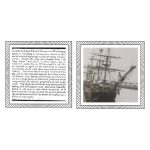
Thomas McAlpin, his brother Duncan, nephew Hugh, and stepson John Stead moved from Wigton to Cummersdale, establishing the company that would become Stead McAlpin. They began with hand block and copper roller printing, bringing new opportunity and jobs to the region. The Carlisle Patriot reported on the grand opening and its promise for the local community.
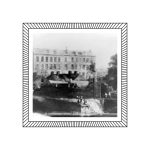
Surface roller printing began. The works, initially rented, were purchased in 1844 for £2,500 after the Forsters were declared bankrupt. The company quickly expanded, trading across Britain and into South America. John Stead and Captain Thomas Christian even operated a Brig sailing ship, ‘Mary', to transport goods to South America.
A school was established at the works for child employees. Children worked nine hours and received two hours of education, funded by the printers themselves. Mary Ann Nichol served as schoolmistress, earning seven shillings a week.
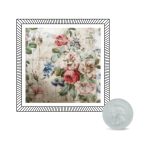
Stead McAlpin won a silver medal from the Society of Arts. Queen Victoria selected their chintz for the Royal Yacht, later known as the Victoria and Albert Chintz. The same design was used at Broadlands, home of the Mountbatten family. Thomas McAlpin passed away, and a new partnership was formed between John Stead alongside Hugh and Nathan McAlpin.
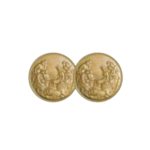
At the 1862 International Exhibition, Stead McAlpin was awarded two gold medals for excellence in textile printing.

John Stead became sole proprietor. A forward-thinking innovator, he patented a machine in 1880 for printing window blind fabric on both sides, an industry first.

Following John Stead’s death, his son Edmund Wright Stead took over. He acquired Bannister Hall’s assets, including 9,000 hand block designs, strengthening Stead McAlpin’s leadership in high-end printing. Offices were opened in Paris and the U.S.

The company acquired Mungalls dyeworks and Dalton’s cotton spinning and flour mills. During WWI, American designer Harry Wearne and U.S. orders kept the works running. Women began working as block printers.
Stead McAlpin became a private limited company with Edmund Stead as Governing Director.
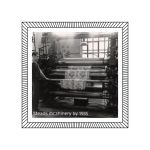
Edmund Wright Stead passed away. His son Gilbert became Managing Director, with Percy Diggle as General Manager.
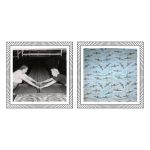
Textile printing paused for wartime production. Hand block printing continued for export, carried out by a workforce of women. Percy Diggle became Managing Director. By 1940, the company acquired a number of William Morris hand printing blocks.

Percy Diggle retired as managing director; his son Ronald Diggle was appointed to the post. Percy remained Chairman of the board until 1963.

Automatic horizontal screen printing was introduced using Buser flat bed machines, modernising production.

Stead McAlpin was acquired by the John Lewis Partnership, safeguarding it from takeover. The company continued as a commission printer.

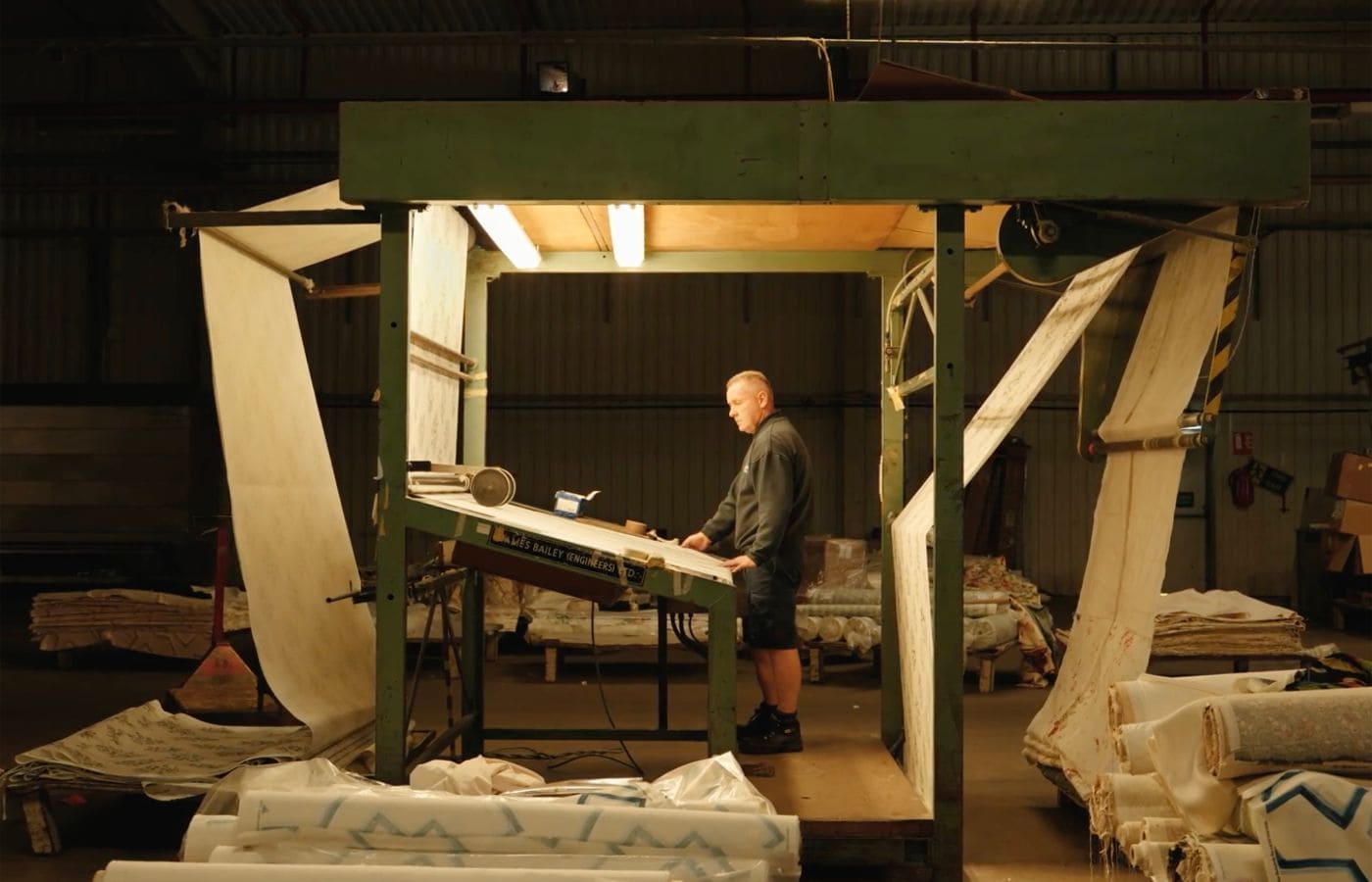
Copper roller printing ended. Rotary screen printing was introduced, with three new rotary machines installed by 1976.
Traditional hand block printing ceased. Ronald Diggle retired, ending the Stead family’s 145-year leadership. Dr. John Hannon was appointed as Managing Director.
Commercial dyeing of textiles was reintroduced, expanding the company’s capabilities.
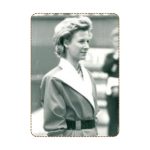
Stead McAlpin celebrated its 150th anniversary with an exhibition at Tullie House Museum. HRH The Duchess of Gloucester unveiled a commemorative plaque. An open-width bleach range was installed in 1984.
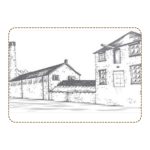
A new warehouse was built to store Stead McAlpin and John Lewis Partnership fabric stocks. Cotton weavers J.H. Birtwistle joined the partnership, collaborating on base cloth development. The River Caldew weir collapsed, cutting off the factory’s water supply.
A commercial warehousing service was launched at Kingmoor Park. Trevor Allison retired; Chris Rogers became MD, also leading J.H. Birtwistle. A steamer was installed for camouflage fabrics, and a digital printer was introduced for sampling, initially dress fabrics.
Martin Phillips served as interim Managing Director from 2005 to 2007.
The John Lewis Partnership sold Stead McAlpin to Apex Textiles.
After Apex went into administration, R. Soper & Co. Ltd acquired Stead McAlpin, which continued trading under its historic name.
Stead McAlpin acquired the historic weave and jacquard archive from James Thornber Ltd, preserving thousands of textile designs.

The company mourned the passing of Christopher Soper, a dedicated leader whose legacy lives on through his family. That year, major flood defences were completed to protect the Cummersdale site, proving their worth during Storm Desmond when Steads remained dry while much of Carlisle flooded.
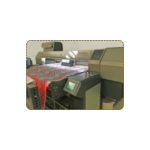
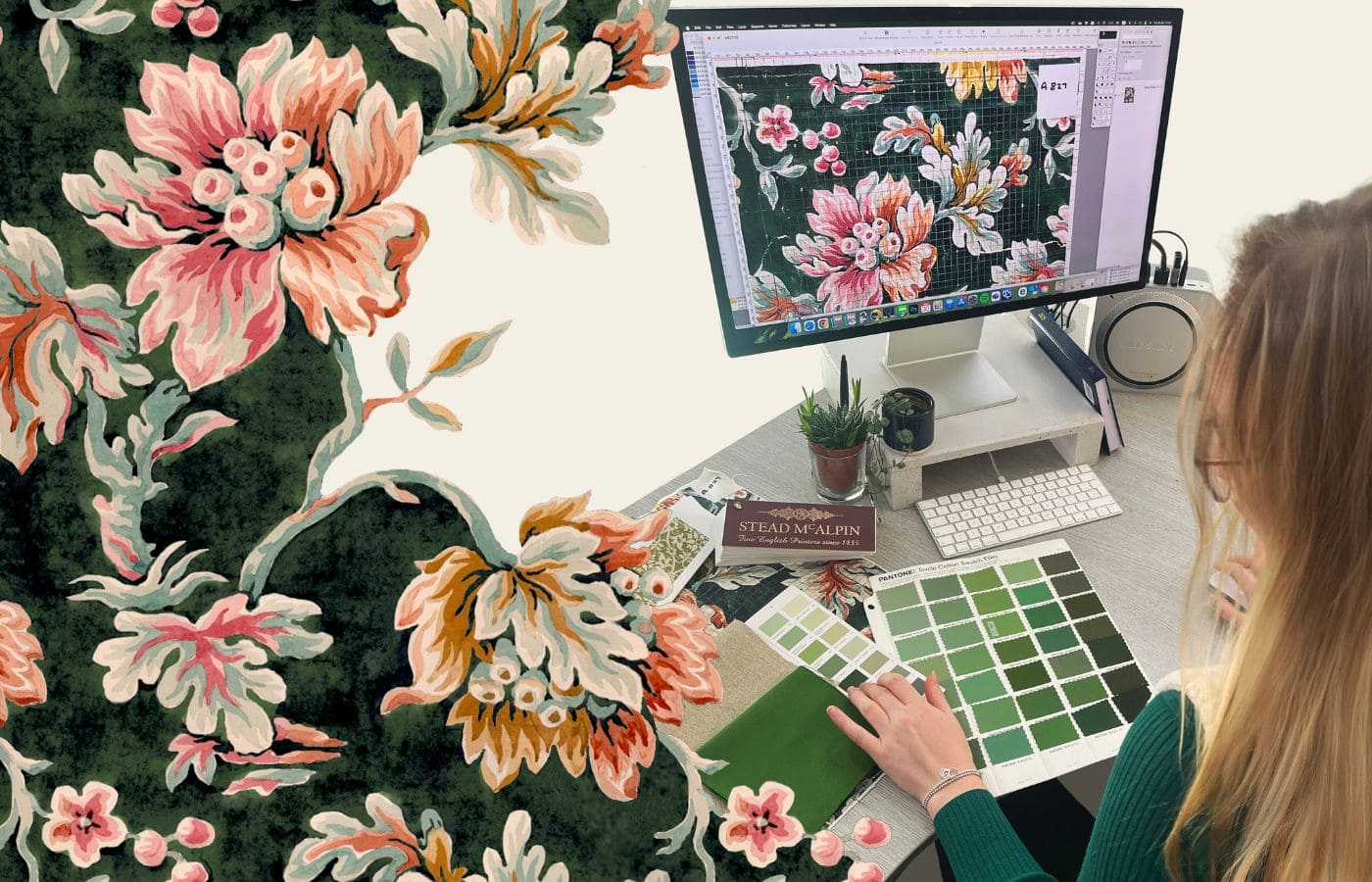
A new era began with the installation of a state-of-the-art digital printing machine, expanding the company’s technical capabilities and opening new creative possibilities for interior textiles.

HRH the Duchess of Gloucester officially opened the Christopher Soper Design Centre at Cummersdale Printworks. Named in honour of the late owner, the centre celebrates his passion for apprenticeships and dedication to sustaining British textile traditions.
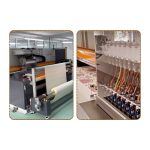
Stead McAlpin invested in a Zimmer-Colaris digital fabric printer, the only one of its kind using vat dyes for interior textiles. This marked a major leap in sustainable, high-quality digital printing.
The company experienced rapid growth in digital printing, expanding its client base across Europe and internationally. Its reputation for blending heritage with innovation continued to attract new partners and projects.
Under the leadership of Managing Director Benjamin Soper, Stead McAlpin remains the oldest fabric printing company in the UK. With a focus solely on interior textiles, the company continues to blend tradition with cutting-edge technology, serving designers, brands, and heritage institutions with unmatched quality and care.
This timeline is based on the extensive archival work of the late Alan James, whose dedication to preserving the history of Stead McAlpin has made this legacy possible.
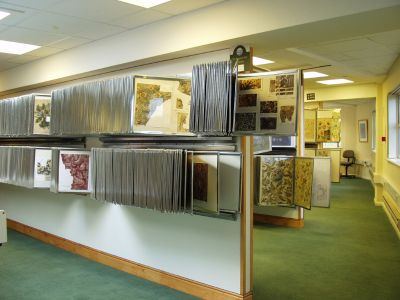
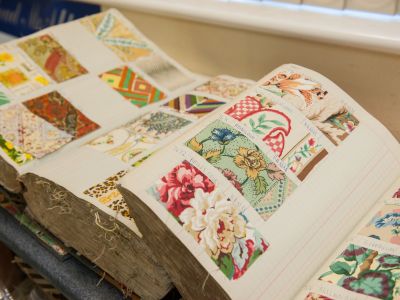
During his lifetime Alan played a vital role in preserving the legacy of Stead McAlpin. As the company’s archivist, he meticulously compiled its history, catalogued thousands of designs, and ensured that the stories behind each pattern, commission, and innovation were not lost to time. His work forms the foundation of the historical timeline and archive that continues to inspire today’s creative direction.